
Blueprint to Blueprint
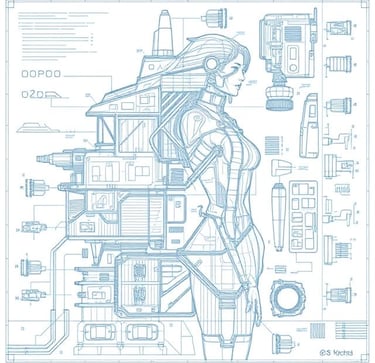
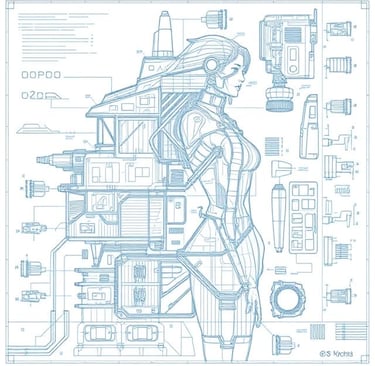
Every individual begins life with a blueprint — a set of conditions, opportunities, and constraints shaped long before they have the power to choose. For many of the families we serve, that inherited blueprint reflects systemic inequities, economic instability, and the long-term impacts of incarceration or generational hardship. These blueprints were never designed to support the futures our participants deserve.
Code Blueprint exists to help individuals redesign the architecture of their lives with stability, opportunity, and long-term sustainability at the center.
Blueprint to Blueprint is our structured, evidence-informed pathway that guides participants from crisis or stagnation toward economic mobility and generational resilience. We honor each person’s original blueprint — their resilience, ingenuity, and lived experience — and then support them in drafting a new one grounded in skills, stability, and self-determination.
Logic Model Framework
Inputs
Trained facilitators, peer mentors, and community navigators
Workforce development curriculum and employer partnerships
Financial literacy modules and coaching
Wraparound support (transportation, childcare, stabilization resources)
Community partnerships and referral networks
Data systems for tracking outcomes and continuous improvement
Activities
Workforce readiness training
Digital literacy and technical skills development
Financial coaching and budgeting support
Case management and stabilization planning
Peer support groups and community-building sessions
Employer engagement and job placement assistance
Outputs
200+ hours of annual training delivered per cohort
100% of participants receive individualized case management
85% complete workforce readiness milestones
70% participate in financial literacy coaching
Dozens of employer partners engaged annually
Short-Term Outcomes (0–6 months)
82% report increased financial stability
76% demonstrate improved digital literacy
71% secure employment or advance in their current role
90% report increased confidence and self-efficacy
Significant reduction in crisis-level needs due to wraparound support
Intermediate Outcomes (6–18 months)
Sustained employment retention
Increased household income
Improved credit scores and reduced debt
Strengthened family stability and reduced reliance on emergency services
Increased community engagement and peer support participation
Long-Term Outcomes (18+ months)
Generational economic mobility
Reduced recidivism and system involvement
Increased home and asset ownership
Stronger community networks and intergenerational resilience
Participants becoming mentors, leaders, and contributors to the next cohort
Sustainability and Long-Term Impact
Sustainability is embedded in every layer of the Blueprint-to-Blueprint model. Our approach leverages:
Diversified funding streams (grants, individual donors, employer partnerships, earned revenue)
Scalable curriculum that reduces cost per participant over time
Peer-led components that build internal leadership and reduce staffing burden
Data-driven decision-making to refine programming and demonstrate ROI
Community partnerships that expand capacity without duplicating services
This structure ensures that each cohort strengthens the next, creating a self-sustaining ecosystem where knowledge, opportunity, and support circulate back into the community.
The Promise of Blueprint to Blueprint
This is more than a charity.
This is structural redesign.
This is the work of transforming inherited blueprints into sustainable futures.
When funders invest in Code Blueprint, they are supporting a model that is emotionally resonant, operationally sound, and empirically validated. They are investing in a pathway that helps individuals move from surviving to designing — and ultimately, to building futures strong enough to pass on.
Blueprint to Blueprint is where hope becomes structure,
and structure becomes generational change.